
Workplace health, safety and wellbeing for Pathology Labs: sample handlers, night shifts and long rounds
Lab staff handle samples, work odd hours and travel long rounds. Clear daily routines and honest conversations about tiredness protect them and the quality of their work.
Not sure what you need? Tell us about your business in six short steps and we will come to the first meeting prepared.
Share your requirementsWhy workplace health, safety and wellbeing matters in pathology labs
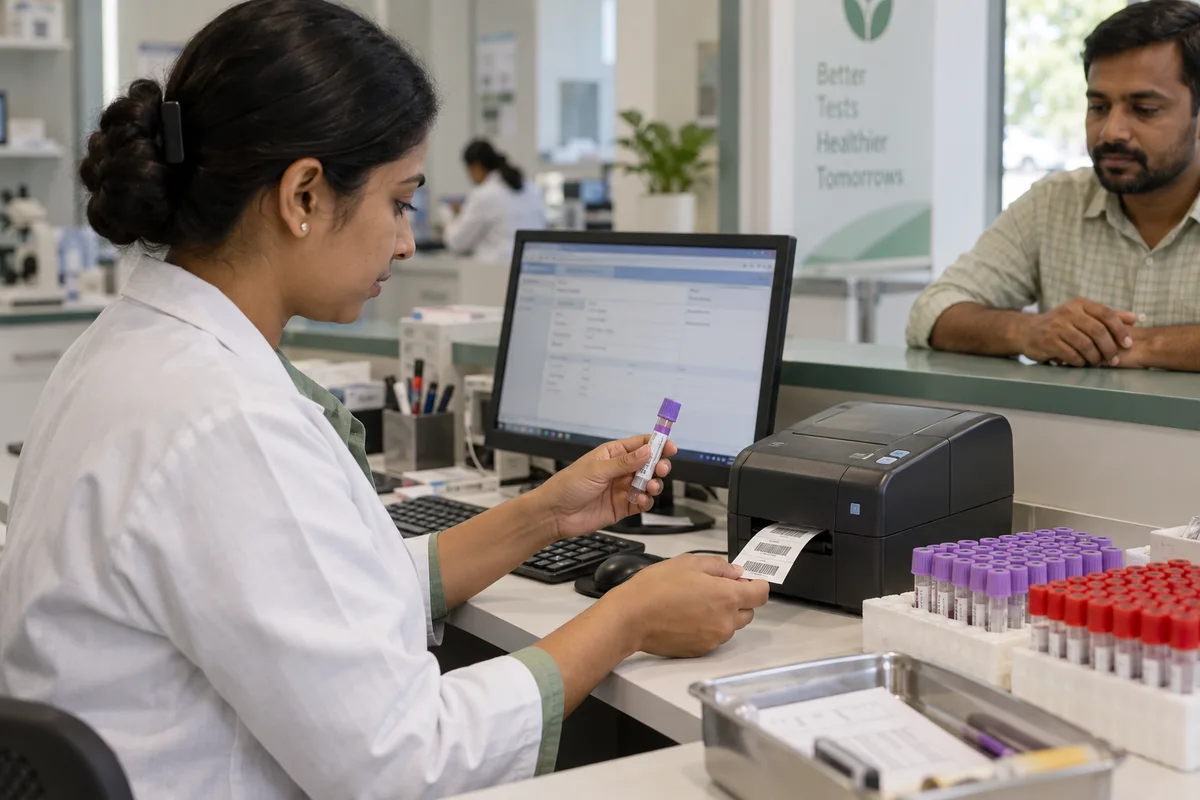
A lab combines several people risks. Technicians handle samples all day. Night teams work against the body's rhythm. Phlebotomists ride between points in traffic and weather, carrying kits. Each of them can be hurt or worn down quietly, and the owner hears only when somebody leaves or makes a serious mistake.
Our role here is people and workflow. Work with your pathologist and qualified safety professionals on the technical rules. On the people side, write simple routines, check that staff know them, listen when someone says they are tired and look at rosters for patterns that wear people down.
How to set it up
1. Write routines in plain words
A one-page routine for each area: reception, section benches, collection and transport. Agree the content with your pathologist and safety adviser.
2. Teach and check on day one and after
Show each new joiner the routine, watch them follow it and repeat at one month. Record it in their file.
3. Look at the roster for strain
Check who works consecutive nights, who has had no rest day and who travels the longest rounds. Adjust where patterns are heavy.
4. Make speaking up easy
A named person, a short conversation and no blame for reporting a near miss or a problem.
5. Check in on wellbeing
A short talk each quarter between supervisor and staff about workload, tiredness and anything the lab could change.
Check these first
Before changing anything, find out what is true today. Use your own records for a defined period and note gaps in the evidence. The review may take longer if records are incomplete or spread across teams.
- Ask three staff to describe the routine for their area.
- Check who worked the most consecutive night shifts last month.
- See whether near misses are recorded and discussed.
- Ask a phlebotomist about their longest day and route.
GullyHR can do this with you. Read how we approach workplace health, safety and wellbeing in general, or share your requirements and we will tell you where to start.
Questions owners ask
No. Technical and legal safety rules belong to your pathologist and qualified professionals. We help with the people side: routines, training records, rosters and conversations. Confirm applicable rules with a qualified professional.
Limit consecutive nights, plan rest days after them, share the duty fairly and ask staff what helps. The right pattern depends on your lab, so review it with those who work it.
Plan routes with realistic travel time, set a check-in routine and listen to complaints about long rounds. Agree how travel is recorded and paid in writing.
We set up the interview and hiring process for pathology labs
Every business interviews, but few have a written process that works the same way for every role and every interviewer. GullyHR designs yours, from the role brief to the offer, trains your managers to run it, and can run it for you on the roles you hand us.