
Workplace health, safety and wellbeing for Iron Foundries: pouring, furnace work, fettling dust and heat
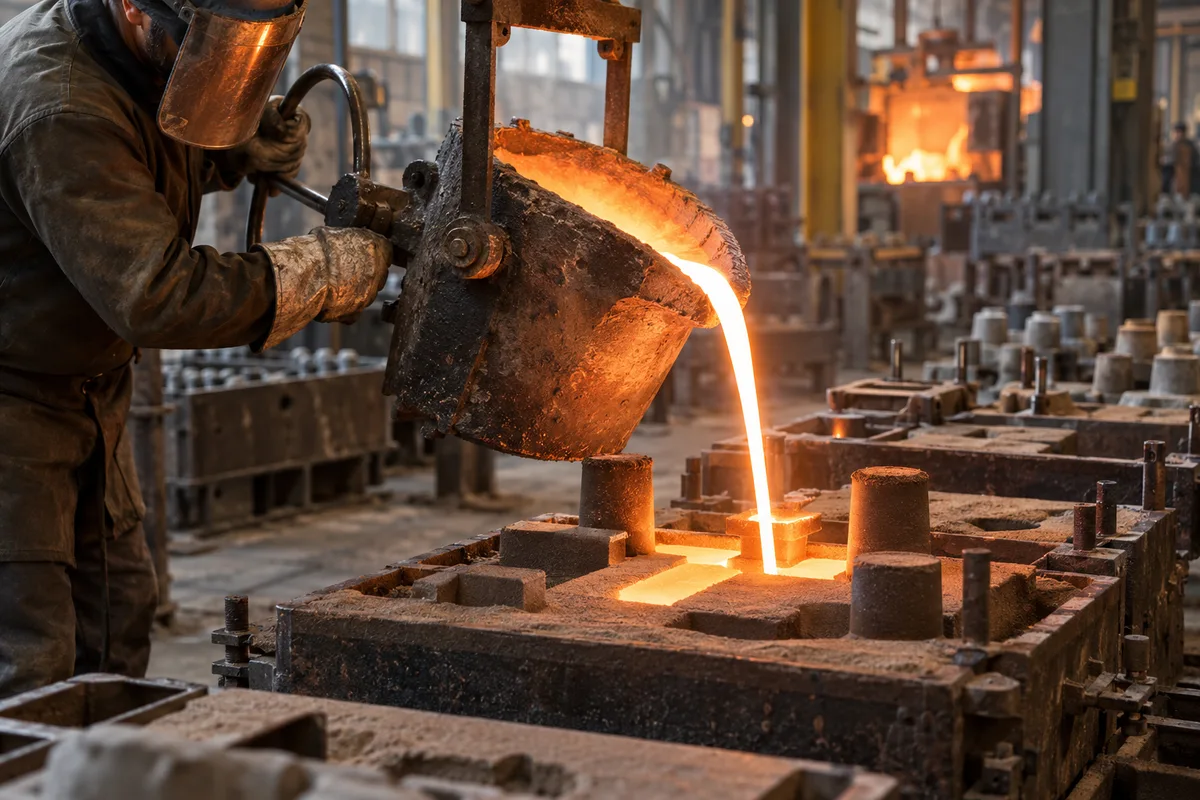
Pouring is a crew job with no room for a weak link, and fettling dust and heat wear people down. Safe habits have to be practised at the start of each pour, not only written down.
Not sure what you need? Tell us about your business in six short steps and we will come to the first meeting prepared.
Share your requirementsWhy workplace health, safety and wellbeing matters in iron foundries
Molten iron, wet floors and a late ladle make a bad mix. Pouring crews are put together by habit, and one careless person can put the whole mould line at risk. Furnace work, tapping and charging carry their own hazards. Fettling and grinding create dust and noise for hours, and shakeout and lifting strain bodies that are already tired. Workers on daily rates have little reason to report an injury or a near miss, and older hands carry lasting damage.
Good looks like a short briefing before each pour: gear check, ladle and floor condition, who stands where, who signals. Furnace work follows written routines with sign-off. Fettling has dust control, masks and ear protection that are used, and lifting has aids. The first month for a new labourer includes the specific risks of their area. Near misses are shared at the start of shifts and acted on.
How to set it up
1. Hold a one-minute briefing before each pour
Gear check, ladle condition, floor dryness, who stands where, who signals stop. The pour lead runs it every time, including on busy days.
2. Write routines for furnace and ladle work
Charging, tapping, ladle preheat and transfer. Brief each worker and sign off before they work alone. Confirm legal requirements with a qualified professional.
3. Control dust and noise at fettling
Extraction, wet cleaning where possible, masks fitted to the face, ear protection and breaks. Ask the fettling crew what slows them most and fix that first.
4. Reduce heavy lifting and heat strain
Lifting aids, shared loads, water and breaks near furnaces and shakeout. Rotate people where possible. The Iron Foundries overview lists the areas.
5. Use the first month to teach area risks
The buddy covers the specific hazards of the new person's area and watches them for the first weeks. See retention for why the first month matters.
Check these first
Before changing anything, find out what is true today. Use your own records for a defined period and note gaps in the evidence. The review may take longer if records are incomplete or spread across teams.
- Watch the next pour and note whether a briefing happens and who attends.
- Ask the fettling crew what protection they use and what is missing.
- Count injuries and near misses recorded last quarter and compare with what the crew tells you.
- See whether new labourers were told the risks of their area before they started.
GullyHR can do this with you. Read how we approach workplace health, safety and wellbeing in general, or share your requirements and we will tell you where to start.
Questions owners ask
Gear check, ladle and floor condition, who stands where and how to signal stop. Keep it to a minute and make the pour lead responsible. Short and repeated beats long and rare.
Make reporting free of blame and of lost pay where you can. Ask at shift start, act on what you hear and show what changed. If reporting costs people money, they will not report.
Start with wet methods where they suit, housekeeping, fitted masks, ear protection and breaks. Ask the crew where the dust is worst. Larger extraction can follow once the main sources are known.
We set up the interview and hiring process for iron foundries
Every business interviews, but few have a written process that works the same way for every role and every interviewer. GullyHR designs yours, from the role brief to the offer, trains your managers to run it, and can run it for you on the roles you hand us.