
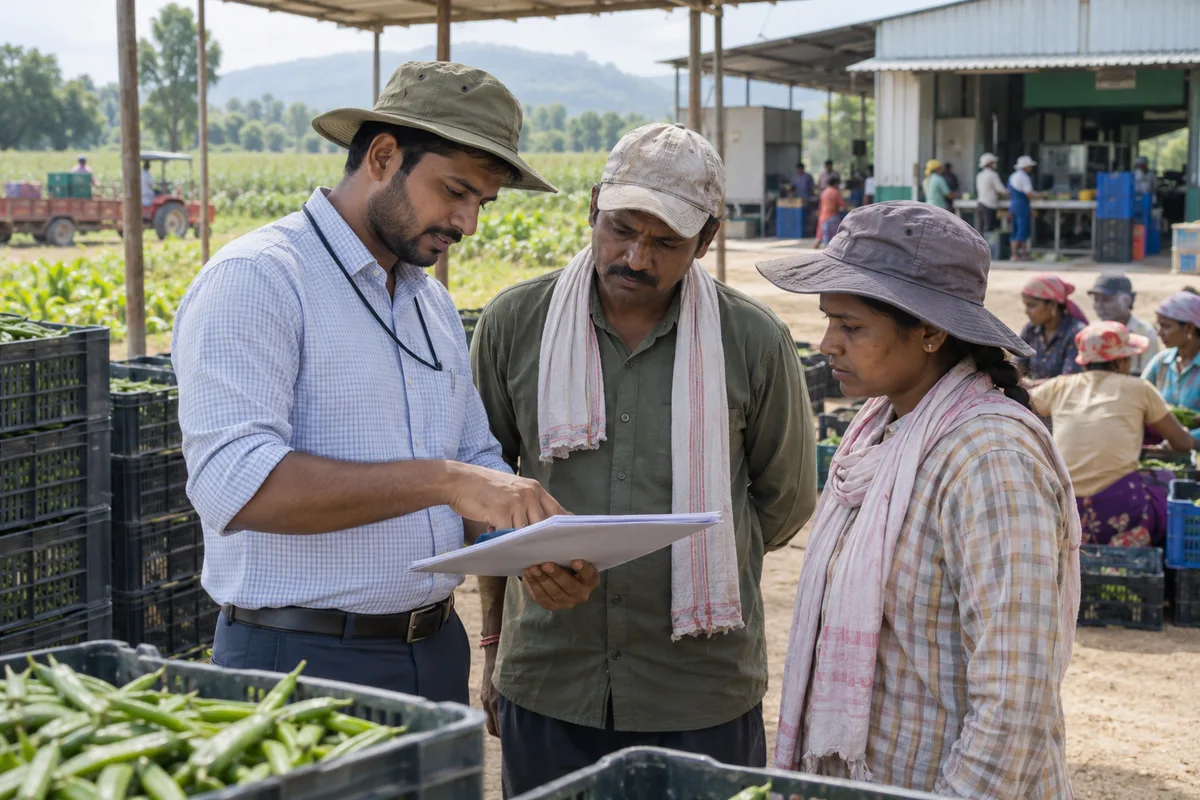
Picture picking week in a mixed orchard. The manager's phone rings about fruit colour in one block, a ladder in another, a quarrel over tallies in a third and a tractor wanted in two places, while a promoted picker stands beside a waiting crew and will not decide anything.
What should a block supervisor be able to decide without calling the manager?
Let supervisors handle the daily running of their block: allocating rows, correcting technique, checking quality against an agreed standard, recording tallies, calling breaks and stopping unsafe work. Keep spray programmes, rates, hiring terms and harvest timing across blocks with the manager. Put the boundary in writing, practise it and back supervisors who use it properly.
The structure is making the bottleneck
A farm that grew from one owner walking every row keeps that habit after the area has multiplied. Supervisors carry the title but have never been told what is theirs. Some wait for permission; others decide boldly and differently, so a picker moved between blocks meets a new standard each morning. Crew leaders from outside, spray operators and shed staff receive instructions from whoever reaches them first.
The cost lands on the plant. A pruning crew waits for an answer, or guesses, and a wrong cut on a tree or vine is still there next season. The manager has no time left to plan, scout for pests or develop anyone.
Write the decision rights block by block
Block: ______________________
Supervisor: _________________
Deputy: _____________________
Reports to: orchard manager
I DECIDE
Row and tree allocation
Rework of poor pruning
Breaks within agreed times
Stopping unsafe work
I DECIDE, THEN TELL
Moving pickers between rows
Rejecting damaged fruit
I ASK FIRST
Picking start for a variety
Any rate, advance or new hire
Spray or irrigation changes
Daily report by: ____________
Treat the lines as a starting draft. An experienced supervisor on a young block may hold more authority than a new one on your highest value trees. Review the card after the first fortnight and move items as trust and skill grow. The exercise is a small piece of organisation design: who does what, who answers to whom and where a decision should sit.
Shape the blocks and the reporting lines
- Group rows so the supervisor can walk between workers and still inspect quality. Terrain, crop stage and task decide the manageable crew size, so watch a real day before fixing it.
- Give each worker one person who instructs them for the day.
- Decide how spray and irrigation operators coordinate with supervisors, including who clears people to re-enter a treated block.
- Name who owns the handover to the pack shed, with picking forecast and transport time.
- Appoint a deputy who runs the block on set days, so cover is rehearsed before it is needed.
Turn a good picker into a supervisor
- 1
Ask before promoting
Some excellent pruners do not want to settle quarrels or keep records. Offer a skilled worker path, such as lead pruner, so refusing supervision is not a dead end.
- 2
Shadow a real week
The candidate follows the manager or a strong supervisor through allocation, quality checks, tallies and a difficult conversation, then explains what they would have done.
- 3
Hand over one duty at a time
Start with allocation and quality, add records, then discipline and rest planning. Agree which questions the trainee brings to the end of day talk.
- 4
Practise the awkward moments
Rehearse telling a relative their fruit is bruised, handling a disputed tally and refusing a shortcut when the truck is waiting.
- 5
Hold a short evening review
Ask what was decided, what was escalated and what is needed tomorrow. Correct privately. Overruling a supervisor in front of the crew sends every question back to you.
Test the structure with real calls
For two weeks, keep a list of every question that reaches the orchard manager from the blocks. Mark whether the supervisor already had the right to decide it, lacked the right or lacked the knowledge. The first calls for a reminder and some backing. The second means the role card should change, or should stay as it is for a stated reason. The third is a training need.
Hold a weekly planning talk with all supervisors together. Cover expected picking and pruning, shared tractors and sprayers, workers moving between blocks and any quality complaint from the shed or buyer. Supervisors settle clashes in the room where they can, which builds the habit of speaking to one another before ringing the manager.
Next, show the standard on the plant
A role card cannot tell anyone where to cut. Before each pruning or thinning round, have supervisors work a marked tree or vine together and agree the result. Tag examples for the crew to compare against. For picking, set out fruit that is ready, early and damaged, name the buyer's requirement and check the first crates from each picker. Repeat when variety or market changes.
Then speak plainly about rates and returning crews
Explain the rate, how tallies are recorded, what quality rejection means for pay, any advance and its recovery, accommodation and expected dates before workers travel. Keep a returning crew list with skills and who to contact. Supervisors should be able to answer where a worker can query a tally, without being able to change the rate on their own.
Back the supervisor in the first hard week
The first disputed tally or rejected crate will test the card. Pickers will walk past a new supervisor to the manager, particularly where families or old friendships are involved. The manager should ask whether the supervisor has been spoken to, send the picker back if not, and join the conversation only as an appeal. If the supervisor got it wrong, say so privately and let them correct it themselves.
Supervisors also need tools that match the authority: the day's picking requirement before the crew arrives, a tally book or phone sheet, transport timings and a working way to reach the manager. Someone expected to decide without that information will either guess or ring, and both outcomes look like weak supervision when the cause is a missing handover.
What does not need doing yet
Skip elaborate organisation charts, long job descriptions for seasonal pickers and rating scales for supervisors in their first season. A role card, a weekly planning talk and a rehearsed deputy will show where the structure fails. Revise it after harvest, when people have time to say what happened.
Where to go next
See HR for horticulture farms for crew training, shed rosters and returning workers. If you want an outside review of block roles before the next season, tell us your requirements with your crops, blocks and current reporting lines.