
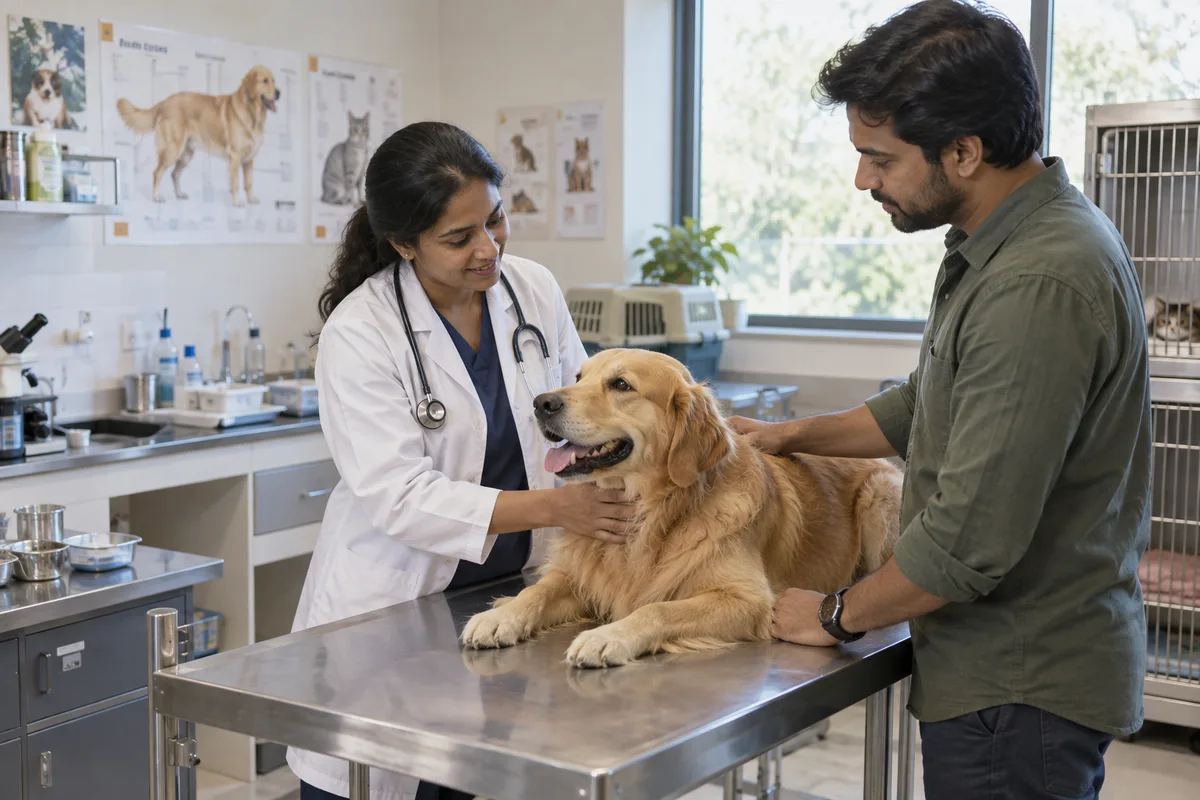
A grooming parlour owner hires someone who talks confidently about every breed. On the first fully booked Saturday, the new groomer lifts a nervous terrier by its front legs and leaves it unattended on the table to answer a phone.
Where do good pet care staff come from, and how do you test them?
Look in different places for different roles: referrals, local training courses, animal shelters, veterinary nursing programmes and people moving from other hands-on service work. Then watch each candidate do the real job under supervision, with calm animals and a senior present, and score what you see on a card agreed before the trial.
Match the source to the role
- Kennel hands, feed staff and cleaners: referrals from current staff, shelter volunteers, farm and stable workers, and neighbours who already walk or board dogs. Reliability for early and late shifts matters more than a polished interview.
- Groomers: grooming schools, junior bathers inside your own business, and experienced groomers returning after a break. Ask about breeds and coat conditions handled, then verify at the table.
- Veterinary assistants and nurses: nursing and assistant programmes, student placements and referrals from vets. Check any required registration directly with the issuing body.
- Trainers and temperament assessors: assistants who have run classes, and trainers whose methods you have watched in person. Methods differ sharply, so see them applied.
- Front desk and booking staff: clinics, salons, hotels and shops, where people learn to stay calm with a worried or angry customer.
- Pickup and drop drivers: drivers willing to load, secure and settle animals, which is a different job from delivering parcels.
A standing relationship with one training course or shelter is worth more than a fresh advertisement each time somebody leaves. Offer to host learners, supervise them properly and note who you would take back.
Screen before anyone meets an animal
Use a short phone conversation to settle the practical facts: shifts they can work, weekend and holiday availability, travel to an early opening, any support they want to raise about working around fur or cleaning products, and comfort with cleaning, which is a large part of the job. Say plainly that dogs bite, cats scratch and some days involve illness or the death of an animal. People who wanted to cuddle puppies have a chance to step back at this point, which saves both sides a bad week.
Then ask for stories. Tell me about an animal you could not handle. What did you do? Who did you call? A candidate who describes stopping, asking for help and recording it is telling you more than one who says every animal settles with them.
Run the trial as a supervised sequence
- 1
Brief and watch the approach
Explain the gates, leads and where to stand. See whether the candidate listens, asks about the animal's history and lets it come to them.
- 2
Handle a calm animal
Under a senior's eye, they fit a lead, move the animal between areas and close every latch. Stop at once if the animal shows distress.
- 3
Do one slice of the real job
A bather brushes and checks a coat; a kennel hand prepares a feed from the card and cleans a run; an assistant lays out a consultation room and weighs a pet; a trainer coaches an owner through one simple cue.
- 4
Spot the planted detail
Leave something to notice that carries no risk, such as a feed card marked for a separate bowl. See whether they read it.
- 5
Hand back
Ask them to report what they saw: skin, ears, appetite, mood. Observation and honest reporting protect animals more than speed.
The trial card
Candidate and role:
Date, senior observing:
Animals used (calm only):

Mark: yes / partly / no
Listened to the briefing
Asked about history
Approached without rushing
Held and lifted safely
Closed gates and latches
Never left animal unattended
Read the feed or care card
Kept area clean
Reported what they noticed
Asked for help when unsure

Stopped trial? Why:
Training needed first:
Hire / second look / no:
Reason in one line:
Fill it in the same day. Two observers who disagree should talk through what each one saw, rather than average their marks. Any unsafe act with an animal deserves a direct conversation before an offer, however good the rest looked.
Write down the offer and the first limits
Put the role, shifts, weekly rest, weekend expectations, pay, probation terms, notice, uniform and any training you will give into writing. If you promised grooming commission or a future course, state the conditions. Attach the list of tasks the joiner may do alone, with supervision, and not yet. For veterinary roles, file the registration evidence and set a date to recheck it.
Check references with a specific question: would you leave this person alone with animals in your care? Seek permission first and follow local rules on what you may ask and keep.
Prepare the trial so it is fair and safe
Pick the animals beforehand: familiar to your team, healthy, relaxed with strangers and used with the owner's permission where one is needed. Have a spare in case the first is unsettled that day. Never save a difficult dog to see how a stranger copes. You learn little, and the animal and the candidate carry the risk.
Give every applicant for the same role the same briefing, tasks and card. Tell them in advance what to wear and what will be watched. Use a quieter part of the day, when a senior can give full attention, rather than the Saturday rush that created the vacancy. Afterwards, ask the candidate what they found hard and whether anything about the premises worried them. Their answer shows judgement, and it sometimes shows you a loose latch or a confusing feed card.
Offer a short, honest verdict to those you turn down. A learner who is not ready now may suit a bathing or cleaning role, or return after a course. In a local trade, people talk, and a respectful refusal keeps the next referral coming.
Mistakes that cost you later
Hiring in a panic before the holiday rush is the biggest. Start earlier, and keep a short list of former helpers and promising trial candidates who agreed to be contacted. Poaching a neighbour's groomer for their client following also deserves care: check what contractual limits apply, and test their handling as you would anyone's. Finally, do not let the interview crowd out the trial. A defined recruitment process gives every candidate the same steps, so a charming conversation cannot replace safe hands.
Where to go next
More on staffing animal care sits on our pet care and veterinary services page. We recruit for permanent roles and help set up scorecards and trials. Tell us your requirements and we can talk through which roles are hardest to fill.